The 6 Things a Proper Brand Name Check Must Reveal (But Usually Doesn’t)
A proper brand name check goes beyond domains and trademarks. Learn the six critical layers that prevent costly rebrands and secure a strong brand foundation.
Most founders think a “brand name check” means Googling the name, checking if the domain is free, or doing a quick search on the USPTO website. This isn’t a brand name check. It’s a gamble. A real, professional-grade check is a strategic diagnosis. It’s a rigorous stress test to determine if a name can survive the competitive realities of its category, scale with the company, and avoid the kind of collisions that force expensive, embarrassing rebrands down the road.
A weak check catches nothing. A real one prevents you from becoming the next cautionary tale. This isn't about bureaucratic box-ticking; it's about building a defensible brand asset from day one. Before you commit to a name, you need to validate it properly. Try Chat Nameworm.
1. Semantic Pitfalls. What the Name Unintentionally Suggests
Every name carries hidden semantic baggage. Beyond its primary definition, it drags along a host of unintended meanings, faulty metaphors, and accidental associations that can poison a brand before it launches. Founders often fall for a name's surface appeal and completely miss the subtle, secondary signals it broadcasts. This is a critical error.
Take the name “Bolt.” On the surface, it’s a powerful metaphor for speed, perfect for a tech or logistics company. But its semantic field is wider and more dangerous. “Bolt” also implies a sudden escape (“to bolt”), fragility (a broken bolt), or an aggressive, jarring action. For a fintech company promising stability, “Bolt” is a constant, subliminal battle against the very feelings of instability it creates. The name “Kind” might seem universally positive, but in a crowded wellness market, it signals warmth at the expense of distinctiveness, blending into a sea of other gentle, generic brands.
Even the urban myth about the Chevy “Nova” failing in Spanish-speaking markets because it means “no go” points to a deeper truth, even if the specifics are debated. The real semantic cases are quieter but more common. A project management tool named "Hive" might intend to signal collaboration, but it can just as easily evoke insect-like swarming and a loss of individuality—a disastrous association for a tool meant to empower teams. Semantic analysis ensures the name means what you intend it to mean, and only what you intend it to mean.
2. Phonetic Conflict Zones. Where the Sound Creates Problems
Many brand names don’t fail visually; they fail sonically. They are heard in meetings, spoken over noisy conference calls, and recalled from memory long before they are read. If the sound of your name creates friction, you are eroding brand equity with every mention. People hear your name before they remember its spelling. Phonetic clarity is a survival metric.
The most common phonetic traps are subtle but deadly. Similar-sounding competitors create immediate confusion consider the chaos in a crowded app store between names like Lumo, Luma, and Lumos. They become an interchangeable blur. Tongue-tripping rhythms or awkward consonant clusters make a name difficult to repeat, killing its word-of-mouth potential. And phonetic ambiguity where a name could be spelled multiple ways after hearing it (Wells? Wheel?) forces potential customers to guess, and if they have to guess, you've already lost.
The sounds themselves also carry meaning. Plosive consonants like 'p', 't', and 'k' can feel sharp, energetic, or even aggressive. Softer consonants like 'l', 's', and 'm' feel smoother and more fluid. The phonetics of your name must align with the emotional texture of your brand. A mismatch creates a cognitive dissonance that weakens the entire brand structure.
3. Competitor Proximity. The Invisible Danger of Familiarity
Founders tend to screen for identical matches. They search for "Acme Widgets," see it’s clear, and move on. Wrong. Dead wrong. The real danger isn’t an identical name; it’s a similar one. The risk lies in proximity sharing a similar vibe, metaphor, root structure, or phonetic rhythm with others in your space. Think of Stripe vs. a hypothetical “Strypes,” or Calm vs. a knockoff “Kalme.” Technically different, but dangerously close.
This leads to what strategists call “category semantic clusters” groups of names that feel so interchangeable they bleed into one another, erasing any hope of brand distinction. Consider the wave of fintech startups ending in “-fi” or “-pay,” or the countless B2B SaaS companies with names like Connectly, Syncly, or Integria. They adopt the category’s naming conventions and, in doing so, sacrifice their distinctiveness.
If your name can be confused with five others in your category, it is already dead. It has no competitive moat, no unique recall value, and no chance of building a distinct brand identity. A proper name check doesn’t just look for direct conflicts; it maps the entire competitive naming landscape to ensure your name carves out its own unique territory, breaking the pattern instead of joining it.
4. SEO Noise. Can You Even Own the Search Space?
A name’s success isn't just a legal matter; it's a battle for discoverability. Many founders are seduced by beautiful, evocative dictionary words like “Flow,” “Rise,” “Core,” or “Prime.” These names feel strong and aspirational, but for a new brand, they are often an SEO death sentence. Why? They are drowning in what’s called SEO noise.
These are common words with immense search volume across countless unrelated industries. Attempting to rank for a name like “Flow” puts your startup in a brutal cage match with project management software, menstrual products, rap lyrics, and principles of fluid dynamics. A strong name can still drown if search results bury it. If your customers can’t find you on the first page of Google, your brand effectively does not exist.
A modern brand name check must analyze this discoverability risk. Can this name realistically own its search space? This involves screening for high-competition dictionary words, collisions with massive global brands (“Apex,” “Zenith”), and existing non-brand meanings that pollute search results. A name like “Beam” could refer to a ray of light, a construction support, or the act of smiling. This ambiguity confuses search engines and, more importantly, your customers.
5. Cultural Associations. What the Name Means in the World, Not Just in Your Head
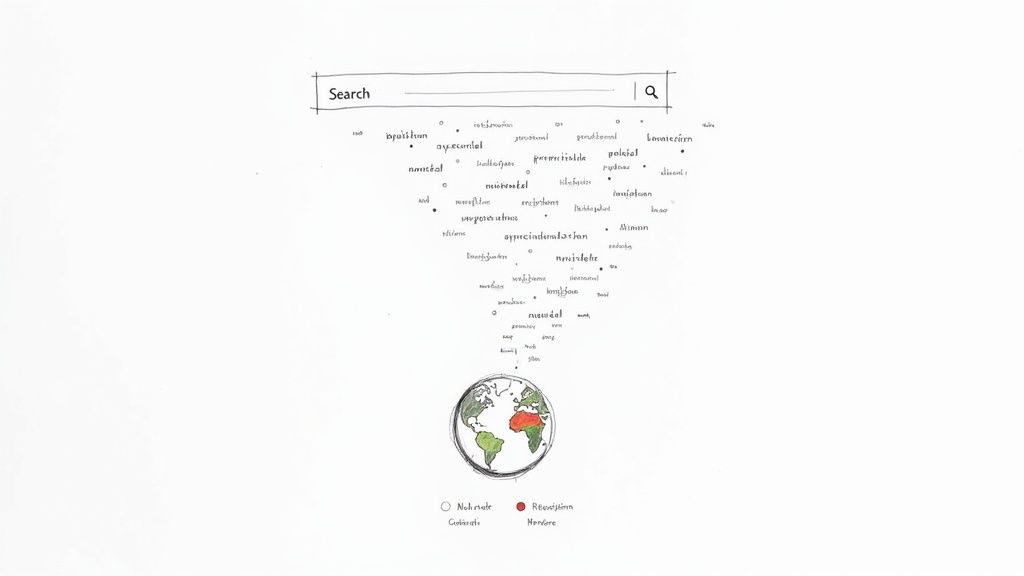
In a globalized market, your brand name is a cultural ambassador. What sounds sharp and modern in a Silicon Valley boardroom might be a liability elsewhere. This is the domain of cultural semiotics—the study of how signs and symbols are interpreted by different groups. Founders often skip this check, assuming their name is a blank slate. It never is.
Every word carries cultural baggage. The classic cautionary tales exist for a reason. While some are exaggerated, the core risk is real. The German translation of “Puff” is slang for a brothel. “Mist” is German for manure. These aren’t minor missteps; they are brand-killing blunders that betray a fatal lack of diligence. A brand name is a cultural signal, and culture—not the founder decides how it will be read.
A thorough cultural check goes beyond direct translation. It investigates slang meanings in key markets, associations with subcultures, symbolism across different regions, and potential echoes of political groups or unfortunate memes. In today’s hyper-connected world, this layer of analysis isn’t optional. It’s a crucial safeguard against unintended offense and brand damage.
6. Legal Risk. The Part Everyone Forgets Until It’s Too Late
This is where the most expensive mistakes are made. A founder searches the USPTO database for an exact match of their chosen name, sees nothing, and proceeds. This reveals a fundamental misunderstanding of trademark law. Lawyers and trademark examiners are not looking for identical copies. They are looking for a likelihood of confusion. It is a broader, more subjective, and far more dangerous standard.
Legal viability is not about “Is it available?” It’s about “Can I own it?” This legal doctrine is where brand names live or die. It’s a multi-factor analysis that weighs similarity in sound, meaning, and appearance, as well as the proximity of the goods or services (as defined by the Nice Classes). A brand called “Frost” and another called “Icy” in the same category could easily be deemed confusingly similar, even if the spellings are different.
We’ve seen this play out in countless disputes, from the friction between Bolt (ride-sharing) and Bolt Mobility (scooters) to Stripe’s consistent defense of its mark against similarly structured names. A proper legal pre-screen adopts this same mindset, looking not for exact matches but for potential conflicts within this broader, more ambiguous landscape. Treating this step as a mere formality is a direct path to a cease-and-desist letter and a forced, costly rebrand.
Why You Need All Six Layers. Not Just One
Many founders check only for domain availability or run a quick trademark search, missing 80% of the real-world risks. These six layers are not a menu to pick from; they are an interconnected diagnostic system. A name can be legally available (Layer 6) but impossible to rank for in search (Layer 4). It can be phonetically brilliant (Layer 2) but carry disastrous cultural baggage in a key market (Layer 5). Skipping one layer means you are flying blind.
A name must be meaningful, memorable, clean-sounding, culturally safe, competitively distinct, and legally defensible. A name that survives all six layers of this scrutiny is no longer just a label. It is a strategic asset, engineered to build equity and create a defensible moat around your brand.

Key Takeaways: The 6-Layer Diagnostic
Semantic Check: Does the name carry unintended negative meanings or create the wrong metaphor for your brand?
Phonetic Check: Is it easy to say, hear, and spell? Does it sound confusingly similar to a competitor?
Competitive Check: Does the name stand out, or does it blend into a sea of similar-sounding category names?
SEO Check: Can you realistically own the search landscape, or will the name be buried by common words or huge brands?
Cultural Check: Does the name have problematic slang meanings, translations, or associations in key global markets?
Legal Check: Does the name pose a "likelihood of confusion" risk with existing trademarks in your class?
Validate Your Names Properly. Before You Fall in Love
Before investing thousands in branding, packaging, domain acquisition, or legal fees, you must test your shortlisted names across all six of these layers. Falling in love with an untested name is a recipe for strategic pain.
If you want to evaluate semantics, phonetics, competitive similarity, emotional tone, and early trademark risk in one place, you can run your ideas through Chat Nameworm. It helps you catch the issues most founders only discover after they’ve already launched, saving you from a costly pivot.
Conclusion. A Real Name Check Protects Your Future, Not Your Present
A brand name is not a surface-level decision. It is a long-term strategic asset that, when chosen correctly, accrues value over time. Checking it deeply is not bureaucracy it is the very essence of strategy. It is the foundational work required to ensure the identity you build today is defensible, scalable, and resonant for years to come.
Next Steps Checklist
Run Your Shortlist: Take your top 3-5 name candidates and rigorously evaluate each one against the six-layer diagnostic framework. Be objective and document all potential red flags.
Pressure-Test Externally: Share your top contender with a small group of trusted advisors or ideal customers. Don’t ask, “Do you like it?” Ask, “What does this name make you think of?”
Consult a Trademark Attorney: Once a name has passed all six layers, engage qualified legal counsel for a formal trademark search. This is the final, non-negotiable step before commitment.